


Fed likely to keep rates steady at July meeting
Core inflation, though recently better than expected, has exceeded the Fed’s target for five years
Lectura de 5 minutos
PUNTOS CLAVE
- Cooler-than-expected June CPI and PPI reports significantly reduced the likelihood of a Federal Reserve rate hike at its July meeting, easing concerns that inflation was accelerating again.
- Despite recent progress, core inflation remains above the Fed’s 2% target, suggesting that the new Fed chair, Kevin Warsh, is likely to prioritize price stability and keep interest rates elevated for longer.
- While steady or higher interest rates could create headwinds for markets and the economy, the current outlook points to the Fed holding rates unchanged while remaining alert to persistent inflation risks.
President Trump may want lower interest rates and made it central to his choice of a successor to former Federal Reserve chair, Jay Powell, but his pick, Kevin Warsh, is in no position to deliver such an action. The labor market has firmed a bit, and elevated energy prices from the Iran conflict have spurred inflation higher. Instead of asking if the Fed might lower rates at the July meeting, the talk had turned to whether the Fed might raise rates.
The rapid shift in sentiment meant that the inflation reports that came out last week were of particular importance. Encouragingly, both the Índice de Precios al Consumidor (IPC) y Índice de Precios al Productor (PPI) came in cooler than expected, reducing the chances of Fed rate action at their July meeting. Some moderation of inflation was expected as the signing of a Memorandum of Understanding (MOU) between Iran and the U.S. had resulted in oil prices declining appreciably. Gasoline prices, while moving more slowly, were also declining, which also should have helped the headline number.
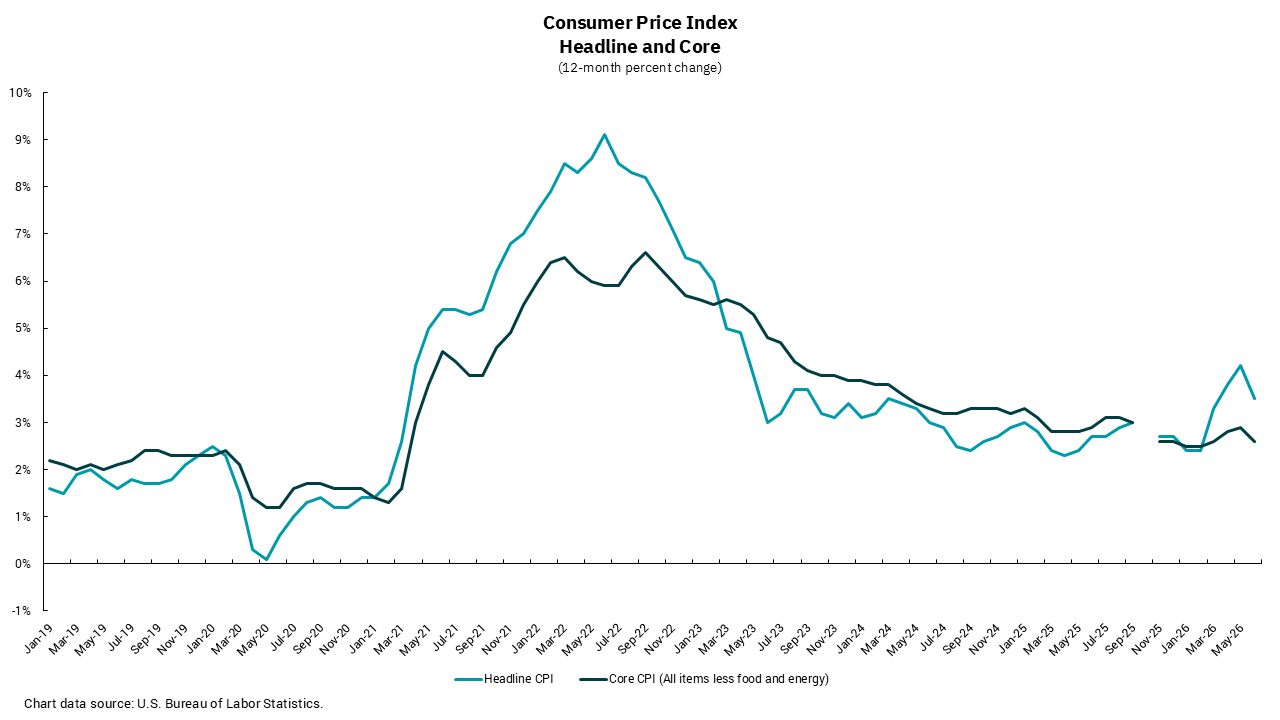
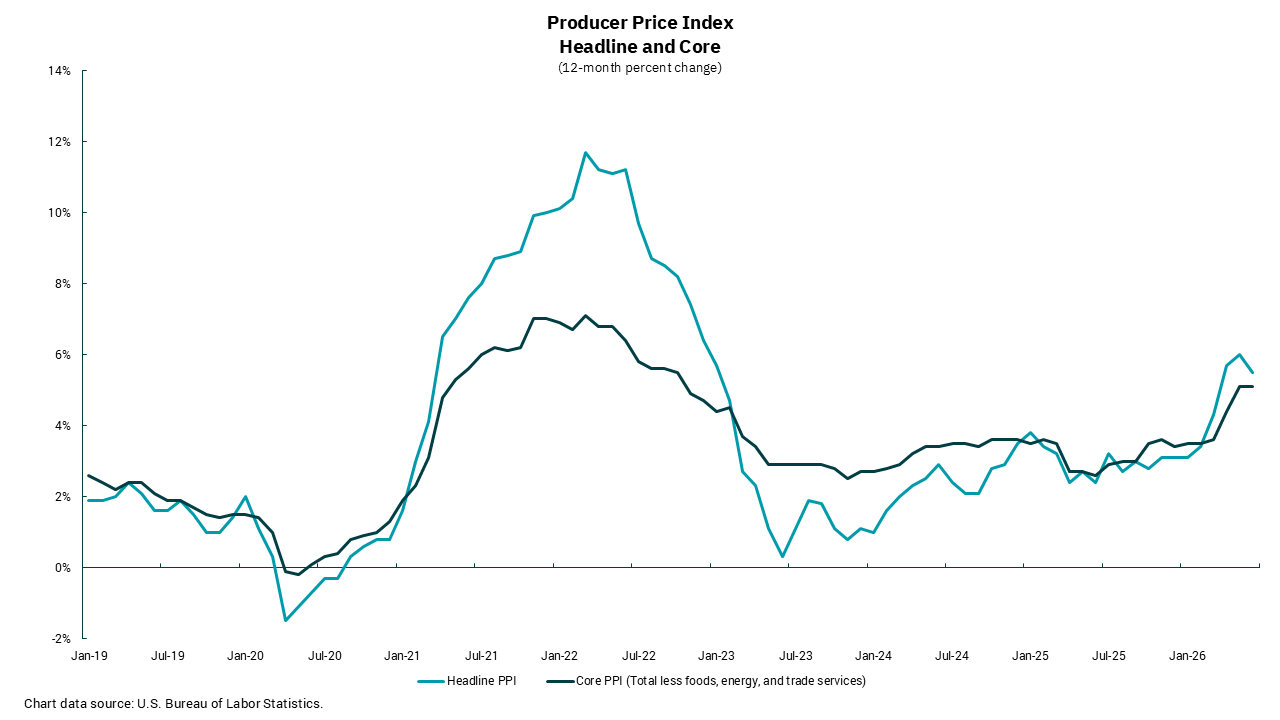
However, the actual readings at both the headline and the more important core level were even lower than expected. Headline PPI was anticipated to be unchanged, and it came in at -0.3%. At the core level, prices rose 0.2%, which was less than the 0.3% expected. Headline CPI came in at -0.4%, which was cooler than the expected -0.1%. This put the year-over-year inflation rate at 3.5%, a decline from May's 4.2% rate and less than the expected 3.8% rate. At the core level, CPI for June was flat as opposed to an expected increase of 0.2%. This means year-over-year core inflation is running at 2.6% versus an expected 2.8%.
Based on these reports, the chances of a rate increase at the July meeting have all but disappeared. Still, oil prices are again rising as the cease-fire has broken, and core inflation, despite being better than expected, still exceeds the Fed's target, as it has for over five years. At Kevin Warsh's post-meeting press conference after his first meeting as chair, as well as in recent testimony in front of Congress, he focused on price stability and getting inflation back to the Fed's 2% target. Absent a material downshift in the employment market, which can happen but is not our base case, this puts the Fed in a position of, at best, holding rates steady but having a bias towards somewhat higher rates. How this plays out with the presidential administration could be interesting but it is also important from an economic and market standpoint.
Higher rates don't necessarily mean an end to economic growth or result in lower stock prices, but they do represent a headwind that must be overcome. Our sense is the Fed will be able to hold rates steady while acknowledging the increased risk of higher rates going forward.
Obtenga By the Numbers en su bandeja de entrada.
Suscríbase (Se abre en una pestaña nueva)